
10 Hilarious Greek Idioms Translated Into English

Author
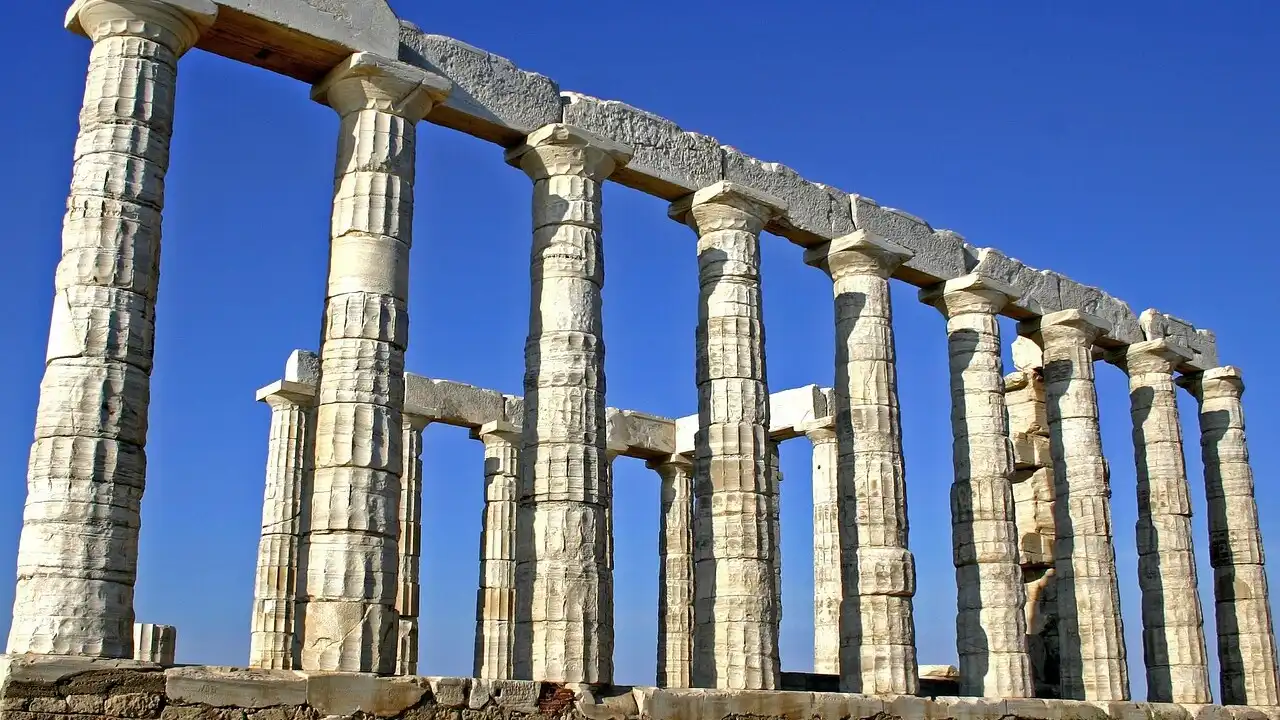
Greek is a highly expressive, dramatic, and ancient language.
Because of this, we have some incredibly funny idioms that make zero sense when you translate them directly into English.
An idiom is a phrase that has a figurative meaning that’s completely different from its literal words.
As a language teacher, sharing these expressions with my students is one of my favorite parts of the job. Learning them won’t just make you laugh; it’ll also make you sound much more natural when speaking with locals.
Here are 10 of my favorite Greek idioms translated literally, along with what they actually mean.
Table of Contents:
- Βρέχει καρεκλοπόδαρα (It’s raining chair legs)
- Σιγά τα λάχανα (Slowly the cabbages)
- Κάνει την πάπια (He’s playing the duck)
- Τα έκανε θάλασσα (He made a sea out of it)
- Πιάσε το αυγό και κούρευτο (Catch the egg and give it a haircut)
- Τον έγραψε στα παλιά του τα παπούτσια (He wrote him on his old shoes)
- Έφαγα τον κόσμο (I ate the world)
- Πετάει αετό (He’s flying a kite)
- Μου έψησε το ψάρι στα χείλη (He baked the fish on my lips)
- Κάθε κατεργάρης στον πάγκο του (Every rascal to his bench)
1. Βρέχει καρεκλοπόδαρα (it’s raining chair legs)
In English, when it’s raining heavily, you might say “it’s raining cats and dogs.”
In Greek, we don’t involve animals in our bad weather. Instead, we use furniture! When a massive storm hits, we say βρέχει καρεκλοπόδαρα, which literally translates to “it’s raining chair legs.”
This idiom probably comes from the thick, heavy streaks of rain that pour down during a Mediterranean thunderstorm, which look as thick as the wooden legs of a chair.

Δεν μπορούμε να πάμε στην παραλία σήμερα. Βρέχει καρεκλοπόδαρα!
2. Σιγά τα λάχανα (slowly the cabbages)
If someone is bragging about something that isn’t very impressive, you can hit them with σιγά τα λάχανα.
Literally, this means “slowly the cabbages,” but it actually means “big deal!” or “so what?”
It’s a sarcastic way to show that you’re completely unimpressed. Why cabbages? Historically, cabbage was a very cheap and common vegetable in Greece. So, if someone acted like they had something precious, but it was just “cabbage,” it wasn’t a big deal at all.
Αγόρασε καινούργιο αυτοκίνητο; Σιγά τα λάχανα.
3. Κάνει την πάπια (he’s playing the duck)
When someone’s pretending they don’t know what you’re talking about, or they’re avoiding a question by playing dumb, we say κάνει την πάπια (they’re playing the duck).
Imagine asking a duck a serious question. The duck will just stare at you and say “quack.” That’s the exact energy this idiom describes!
Τον ρώτησα ποιος έφαγε το φαΐ μου και κάνει την πάπια.
4. Τα έκανε θάλασσα (he made them a sea)
The sea is a massive part of Greek culture, geography, and history. But the sea can also be chaotic, stormy, and uncontrollable.
If you mess up a project, ruin a plan, or create a total disaster, a Greek person will say τα έκανες θάλασσα (you made them a sea). It simply means you made a huge mess out of a situation.
Προσπάθησα να φτιάξω τον υπολογιστή μου, αλλά τα έκανα θάλασσα.
5. Πιάσε το αυγό και κούρευτο (catch the egg and give it a haircut)
This is perhaps one of the funniest visual idioms in the Greek language.
Imagine trying to catch a slippery, raw egg and then trying to give it a haircut. It’s completely impossible, right? Eggs don’t even have hair!
We use this phrase to describe a situation that’s utterly futile, unsolvable, or absurd. You usually say it when you’re frustrated and giving up on a ridiculous task.
Να εξηγήσεις μαθηματικά σε ένα νήπιο; Πιάσε το αυγό και κούρευτο!
6. Τον έγραψε στα παλιά του τα παπούτσια (he wrote him on his old shoes)
If you completely ignore someone or brush off their opinion, you “write them on your old shoes.”
Your old shoes are usually dirty, worn out, and dragging in the mud. By metaphorically writing someone’s name or rules on the bottom of your old shoes, you’re showing them the ultimate disrespect and ignoring them completely.
Του είπα να διαβάσει, αλλά με έγραψε στα παλιά του τα παπούτσια.
7. Έφαγα τον κόσμο (I ate the world)
Greeks are known for being dramatic, and this phrase proves it.
If you lose your keys and spend 20 minutes looking for them around your house, you wouldn’t just say “I looked everywhere.” You’d say έφαγα τον κόσμο (I ate the world)!
It means you searched the entire earth extensively to find someone or something.
Έφαγα τον κόσμο να σε βρω! Πού ήσουν;
8. Πετάει αετό (he’s flying a kite)
Have you ever worked with someone who just stares out the window while everyone else is doing the heavy lifting?
In Greek, we say that person is “flying a kite” (πετάει αετό). It means someone’s daydreaming, slacking off, or completely disconnected from the work happening around them.
Εμείς δουλεύουμε σκληρά, και ο Γιώργος πετάει αετό.
9. Μου έψησε το ψάρι στα χείλη (he baked the fish on my lips)
This is a very dramatic way of saying someone made your life miserable or made you wait an agonizingly long time for something.
The origin of this idiom is debated, but the visual is intense. Imagine being so exhausted and tormented by a difficult situation that someone’s literally grilling a fish right on your mouth!
Ο γιατρός μου έψησε το ψάρι στα χείλη μέχρι να μου δώσει τα αποτελέσματα.
10. Κάθε κατεργάρης στον πάγκο του (every rascal to his bench)
This is a very common phrase you’ll hear at the end of August or early September in Greece.
It means “every rascal back to his bench.” We use it when a holiday, vacation, or break is over, and it’s time for everyone to get back to work, school, or their daily routine.
Historically, a “bench” referred to a craftsman’s workbench, and the “rascals” were the apprentices who needed to get back to doing their jobs.
Το καλοκαίρι τελείωσε παιδιά. Κάθε κατεργάρης στον πάγκο του!
Summary table of Greek idioms
Here is a quick reference table to help you remember these fun phrases:
| Greek Idiom | Literal Translation | Real Meaning |
|---|---|---|
| Βρέχει καρεκλοπόδαρα | It’s raining chair legs | It’s pouring rain |
| Σιγά τα λάχανα | Slowly the cabbages | Big deal / So what |
| Κάνει την πάπια | Playing the duck | Playing dumb |
| Τα έκανε θάλασσα | Made it a sea | Messed everything up |
| Πιάσε το αυγό και κούρευτο | Catch the egg and give it a haircut | An impossible situation |
| Τον έγραψε στα παλιά του τα παπούτσια | Wrote him on his old shoes | Ignored him completely |
| Έφαγα τον κόσμο | I ate the world | Searched everywhere |
| Πετάει αετό | Flying a kite | Slacking off / daydreaming |
| Μου έψησε το ψάρι στα χείλη | Baked the fish on my lips | Made my life miserable / made me wait |
| Κάθε κατεργάρης στον πάγκο του | Every rascal to his bench | Back to work / vacation is over |
Sounding like a local
Idioms are the secret ingredient to sounding like a true native speaker.
The next time you’re speaking Greek and make a mistake, just laugh it off and say τα έκανα θάλασσα!
To keep learning more practical vocabulary, check out my other guides on Greek phrases.